The Truth About University and Fencing
Can Fencing help my child get into a top university?
The answer is a resounding Yes, however we encourage those with this in mind to be educated about the process.
Strategy and Commitment is key!
Fencing can play a meaningful role in a student’s college admissions journey, particularly when it reflects years of dedication, personal growth, and competitive achievement. Some colleges actively recruit fencers for their varsity teams, while others provide opportunities to continue the sport through club fencing. However, neither pathway guarantees admission. Academic performance, finding the right college fit, and a student’s genuine passion for the sport remain essential factors.
Beyond college admissions, long-term participation in fencing helps young athletes develop valuable life skills, including discipline, focus, resilience, and effective time management. These qualities can benefit students throughout their academic careers and well beyond college.
Many parents wonder whether participating in a competitive sport like fencing can improve their child's chances of admission to a top university. Understanding how college fencing recruitment and admissions actually work can help families establish realistic expectations and make informed decisions about their child's athletic and academic future.
How Fencing For College Admissions Really Works
There are three primary ways fencing can be part of a student's college experience: varsity athletic recruitment, participation as a meaningful extracurricular activity, and involvement in a college club fencing program. Each pathway offers different opportunities, expectations, and levels of commitment. Understanding these options can help families determine which direction best aligns with their child's athletic goals, academic priorities, and long-term interests. Exploring competitive fencing programs is also a valuable way to gain insight into the training, dedication, and preparation required at each level.
Athletic Recruitment
Recruitment is one of the most direct pathways to competing at the collegiate level. Elite universities with NCAA fencing programs actively seek talented athletes to strengthen their teams. At many of these schools, coaches have some influence in the admissions process and may advocate for a recruit's acceptance. However, strong academic performance remains essential. Earning a recruitment opportunity typically requires years of dedication, consistent training, and a high national ranking. Many recruited fencers spend six to eight years developing their skills before attracting the attention of college coaches.
Visibility is also critical. Aspiring collegiate fencers must compete in major national tournaments and other high-profile events where college coaches can evaluate their talent and potential. Although the recruitment process is highly competitive, it can open doors to some of the nation's most prestigious universities. Still, athletic ability alone does not guarantee admission. Coaches are looking for well-rounded student-athletes who can excel both academically and athletically. Maintaining this balance is essential for anyone pursuing a spot on a varsity fencing team.
Elite Extracurricular
You do not have to be an elite-level recruit to benefit from your experience in fencing. The sport can serve as a valuable differentiator on a traditional college application, demonstrating commitment, discipline, and the ability to pursue a long-term goal. Colleges appreciate applicants who show dedication to an activity beyond the classroom. For this reason, preparing for college recruitment can be worthwhile even for fencers who do not intend to compete at the varsity level.
Even fencers who do not reach the highest competitive rankings have meaningful experiences to highlight in their applications. They can discuss the discipline developed through consistent training, the resilience required to overcome difficult losses, and the determination needed to improve over time. These experiences offer admissions officers insight into an applicant's character, work ethic, and personal growth. In a competitive admissions environment, fencing can help an applicant stand out by demonstrating perseverance, commitment, and the ability to follow through on challenging goals.
Club sports
Most universities offer club fencing teams that provide a less demanding alternative to varsity competition. These clubs offer an excellent opportunity to meet new people, stay physically active, and remain involved in the sport. They typically welcome fencers of all experience levels, making it possible to join even if you are a complete beginner when you arrive on campus.
Although club teams are generally less competitive than varsity programs, they still provide opportunities to compete. Members often travel to tournaments, face teams from other universities, and host their own fencing events throughout the season. This allows students to enjoy the competitive side of fencing while balancing academics and other college activities.
Create A Sustainable Student-Athlete Pathway
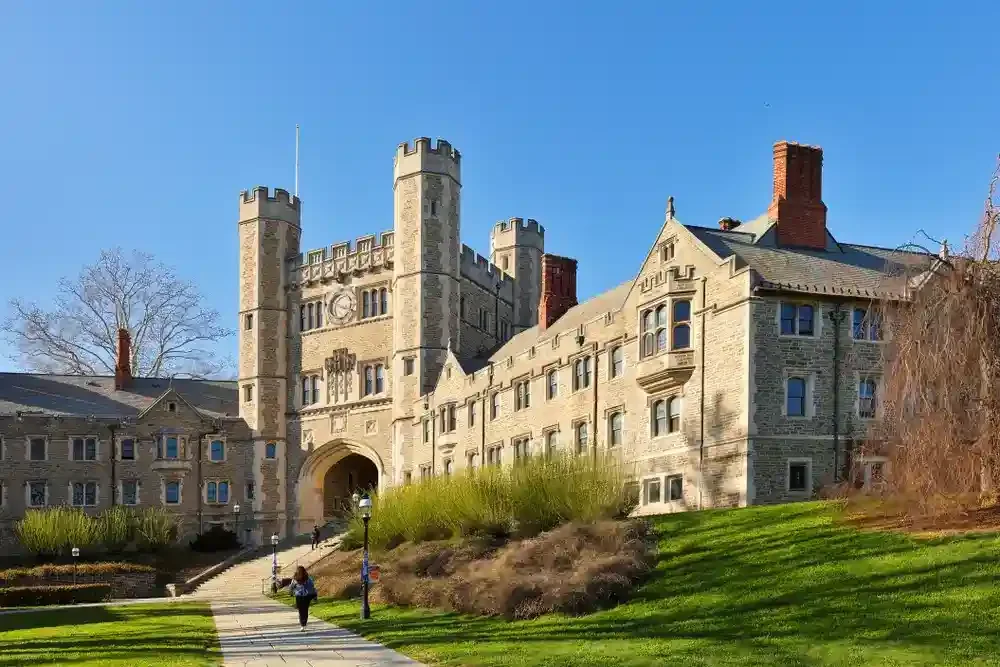
Developing a successful fencing career takes time, consistency, and a thoughtful approach to balancing athletic and academic goals. For many families, fencing can also become a valuable part of a student's college admissions journey, potentially opening doors to opportunities at highly regarded universities. Reaching a competitive level often requires six to eight years of dedicated training and competition. With the right guidance and a clear development plan, young fencers can build the skills and experience needed to pursue collegiate fencing opportunities.
-
Fencing can offer a distinctive advantage in the college admissions process because it has a smaller competitive athlete pool than many traditional high school sports. This can create unique opportunities for dedicated fencers who hope to continue competing at the collegiate level. Approximately one in three high school fencers goes on to compete in college, a proportion that is considerably higher than the rates seen in sports such as football and basketball. According to the NCAA, only a small percentage of high school athletes across all sports continue their athletic careers at the collegiate level. With consistent training, competitive experience, and a focused development plan, fencing can help students distinguish themselves from other applicants while demonstrating commitment, discipline, and dedication to their sport.
Regional events also help fencers become more comfortable competing under pressure, managing tournament schedules, and adapting to different opponents and situations. During this stage, private lessons can provide valuable one-on-one instruction, helping athletes refine their technique, correct weaknesses, and improve their overall performance. With consistent training and a balanced development plan, young fencers can continue progressing toward higher levels of competition while maintaining their academic responsibilities and enjoying the sport.
-
Fencing can be a valuable advantage in the college admissions process, helping students distinguish themselves from other applicants. However, academic performance and finding the right college fit should always remain the top priorities. College coaches are looking for well-rounded student-athletes who can succeed both in the classroom and on the fencing strip. While a strong national ranking and competitive achievements can strengthen an application, they cannot replace good grades, academic preparation, or a solid educational record. Ultimately, the goal should be to find a college where students can thrive academically while continuing to pursue their passion for fencing.
Starting at an early age gives children more time to master essential skills, including footwork, blade control, timing, and strategy. Beyond athletic development, fencing offers valuable lifelong lessons in discipline, perseverance, and critical thinking. Establishing a strong foundation early creates the groundwork for future competitive success while helping young athletes develop a lasting appreciation for the sport.
-
Competitive fencing requires a significant investment of time and dedication. Elite fencers often spend many hours each week training, refining their skills, and preparing for competitions. They may also travel frequently to attend major tournaments, sometimes spending several weekends each month away from home. Balancing these commitments with schoolwork can be challenging, making effective time management an essential part of preparing for college recruitment.
The discipline and focus developed through competitive fencing can also translate into academic success. Student-athletes learn to set priorities, stay organized, and make the most of their available time. The commitment required to improve in the sport teaches valuable habits, including perseverance, accountability, and goal setting. These skills extend beyond the fencing strip, helping students manage their academic responsibilities while continuing to pursue their athletic ambitions.
Families should research individual college fencing programs to better understand their recruiting expectations and priorities. Reaching out to coaches, attending major competitions, and asking for feedback can also help identify realistic goals and areas for improvement. With a clear understanding of the recruitment process, young athletes can make informed decisions about their training, competition schedules, and long-term collegiate aspirations.
Fencing also offers valuable opportunities for students to develop leadership skills and grow personally. As they gain experience, many athletes take on mentorship responsibilities, help coach younger fencers, or become involved in community outreach and other initiatives that promote the sport. These experiences demonstrate qualities that colleges value, including initiative, responsibility, teamwork, and a willingness to give back. Highlighting these contributions in a college application through personal statements, supplemental essays, and letters of recommendation can help students present a more well-rounded picture of themselves and further strengthen their applications.